
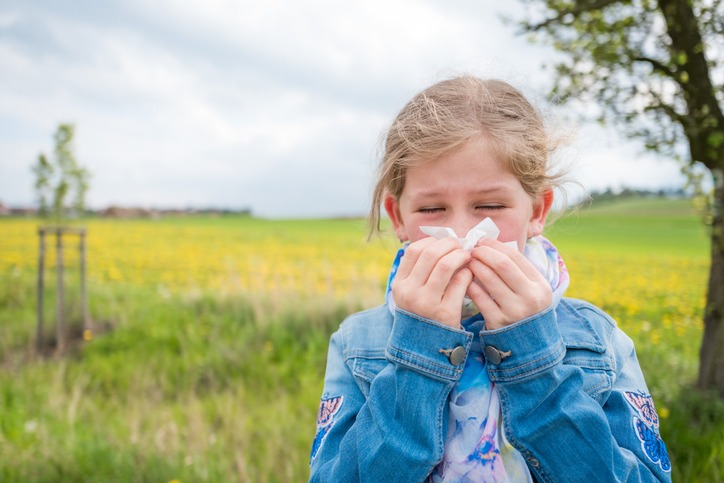
Spring 2026 is shaping up to be a tough allergy season based on January and February’s roller coaster temperature shifts from early warmth to sudden cold snaps, which set the stage for intense pollen production in some areas. And with tree pollen arriving weeks ahead of schedule and pollen counts predicted to spike rapidly across the East Coast, parents need to plan ahead to minimize seasonal allergy suffering. The good news? You don’t have to wait for the sniffles and sneezes to start.
The best way to care for allergies in kids is to track what’s happening outside, get ready for pollen season inside, and see the doctor (if needed) to manage allergies early. By taking action before the pollen bomb hits in March and April, you can help your children breathe easier and enjoy spring the way it’s meant to be enjoyed.
When is allergy season?
In the United States, the official first day of spring is March 20 (the vernal equinox), but meteorologists often use March 1 for weather and tracking purposes. If you’re trying to identify possible triggers for spring allergies, sites like The Weather Channel and your local meteorological team offer tools to help you track the main offenders of seasonal allergies in children (tree pollen, grass pollen, weed pollen).
Spring allergies and their arrival vary based on region and climate. Each year in early March, the Asthma and Allergy Foundation of America (AAFA) releases an annual Allergy Capitals report that identifies the most challenging areas and metrics for living with seasonal allergies. More than 100 million people in the United States live with various types of seasonal allergies and this report can help those affected recognize and prevent seasonal pollen allergies symptoms with updated information covering:
- Types of pollen
- Allergic rhinitis and allergic asthma
- Managing pollen allergies
- Climate change and urban areas
- Pollen counting
How early do seasonal allergy symptoms start?
Once the plants begin to bloom in spring, some make pollen and the season begins in earnest. This can be as early as late February or March in some parts of the country. For example, for children in the mid-Atlantic states on the East Coast, tree pollen is usually highest from February through June, grass pollen is high from May through August, and weed pollen — especially ragweed — is usually highest from July through October.
What is hay fever?
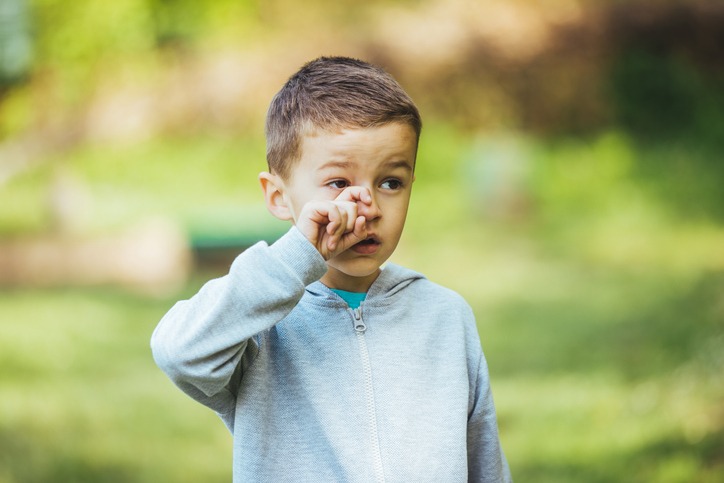
Seasonal allergies — also called “hay fever” or seasonal allergic rhinitis — cause inflammation of the nasal passages when children breathe in and react to pollen. The term “hay fever” is misleading because it rarely involves hay exposure and doesn’t cause fever. This inflammation does, however, lead to runny nose, stuffy nose, sneezing, itching inside the nose, all of which can be disruptive whether you’re in class or trying to get some sleep. If a child has asthma, seasonal allergies can aggravate the condition, and they’re also sometimes mistaken for the onset of a common cold.
Primary Care
Personalized care for newborns through teens – with convenient locations across Florida, Delaware, and southeastern Pennsylvania.
What’s the easiest way to tell the difference between seasonal allergies and a cold?
There isn’t always an easy way. These two diagnoses have a lot of overlaps, including nasal congestion, sore or itchy throat, and coughing. Typically, infants get colds and not allergies, but allergy symptoms can be more prominent as children get older. Allergies and colds can be seasonal, with colds most prominent in fall and winter, and allergies in spring and early fall.
Seasonal allergies also follow a pattern, meaning children will get similar symptoms each year. If the symptoms happen in early spring, then they’re likely demonstrating a pattern of allergies. In addition, sometimes allergies are associated with more itching — itchy eyes and an itchy nose. Colds usually last about one week, cause less itching, and may sometimes lead to fever or fatigue. Allergies will last based on the pollen being present, and symptoms will fluctuate day-to-day based on pollen counts. That’s why it’s important to track which pollen counts are high and be proactive in understanding, treating, and managing anything that might impact your child’s seasonal allergies — from habits to environment.
What helps allergies at home?
Simple steps to reduce your child’s allergen exposure:
- Seal your home: Keep windows and doors closed during pollen season; use air conditioning to stay comfortable.
- Filter the air: Use a HEPA air purifier in bedrooms and common areas.
- Clean more often: Vacuum and wash bedding weekly during peak season to remove trapped pollen.
- Wash hands frequently: This prevents pollen transfers from hands to eyes and nose.
- Monitor pollen counts: Check daily forecasts and limit outdoor time when levels spike.
- Drive with windows up: Prevents pollen from entering the car.
- Choose certified products: The AAFA’s Asthma & Allergy Friendly® Certification program can give you ideas for reducing allergens.
When do you recommend medication?
If your child’s allergy symptoms are interfering with sleep, school, or daily activities, talk to their doctor about medication options. While some children tolerate mild symptoms without treatment, moderate to severe nasal congestion, itching, or sneezing often respond well to medication. Your doctor can recommend nasal sprays, oral antihistamines, or other treatments based on your child’s specific symptoms. For mild congestion, nasal saline rinses can provide relief without medication. For children recommended to take nasal sprays, it can help to start using the spray at the beginning of allergy season even if symptoms have not yet started.
Learn More
Stay informed this allergy season by combining national forecasts with real-time pollen tracking in your area. If your child has known problems with seasonal allergies, coordinate with their pediatrician or allergist as early as possible on timing and treatment. And for trusted answers anytime, check out the Allergies Topic Center from the experts at Nemours KidsHealth®.
The post Spring Allergy Season Is Starting Early: What Parents Can Do appeared first on Nemours Blog | Expert Guidance on Children's Health and Wellness.