

There is a growing recognition across the country that children’s health cannot be separated from the communities in which they live, learn, and play. The Ginsburg Institute was founded on precisely that understanding — and it’s changing what pediatric health care looks like in practice.
Centered on community impact and the relentless pursuit of breaking down silos, the Ginsburg Institute brings together leaders from community organizations, healthcare systems, public health, and education. These community health partners align efforts, share learning, and take coordinated action toward a shared Nemours vision: creating the healthiest generations of children. By fostering collaboration across traditionally separate sectors, the positive effects of this work manifest in programs and interventions that help children across the community thrive.
The first in a series, this piece offers a closer look at the Ginsburg Institute: what it stands for, the remarkable opportunities it’s creating, and how its work is building a lasting foundation for meaningful, measurable change in the lives of children.
What is the Ginsburg Institute?
The Ginsburg Institute at Nemours Children’s Health was made possible by a gift from Orlando philanthropist Alan H. Ginsburg and the Ginsburg Family Foundation. It’s a transformative investment in a first-of-its-kind approach to pediatric health. The institute exists to advance children’s health by bringing together pediatric specialists pediatric researchers, health services researchers, public health experts, and data experts under one shared mission.
Through clinical care, research, education, and national policy engagement, the Ginsburg Institute goes well beyond medicine by addressing the social conditions that shape children’s lives and sharing its findings through local, national, and international forums. Because the goal is not simply to serve one community, but to change how children’s health is understood and achieved everywhere.
Why do efforts like the Ginsburg Institute matter to families?
The answer begins with a recognition that has been building across the field of pediatric health for years — that a child’s health is shaped by far more than what happens inside a pediatrician’s office or hospital room.
The social determinants of health (SDOH) are the everyday conditions in which children are born, live, learn, and grow: where they play, the quality of food available to them, the safety of their neighborhoods, the strength of their schools. These non-medical circumstances are among the most powerful forces shaping health outcomes across a lifetime.
Yet awareness alone does not create change.
What has been missing is an activating force — a dedicated think-tank willing to test new ideas through rigorous, evidence-based, data-driven research and translate those findings into real-world action. That is precisely where the Ginsburg Institute steps in. It exists not simply to study the problem, but to work alongside communities, close the gap between research and practice, and build solutions that meet children and families where they actually are.
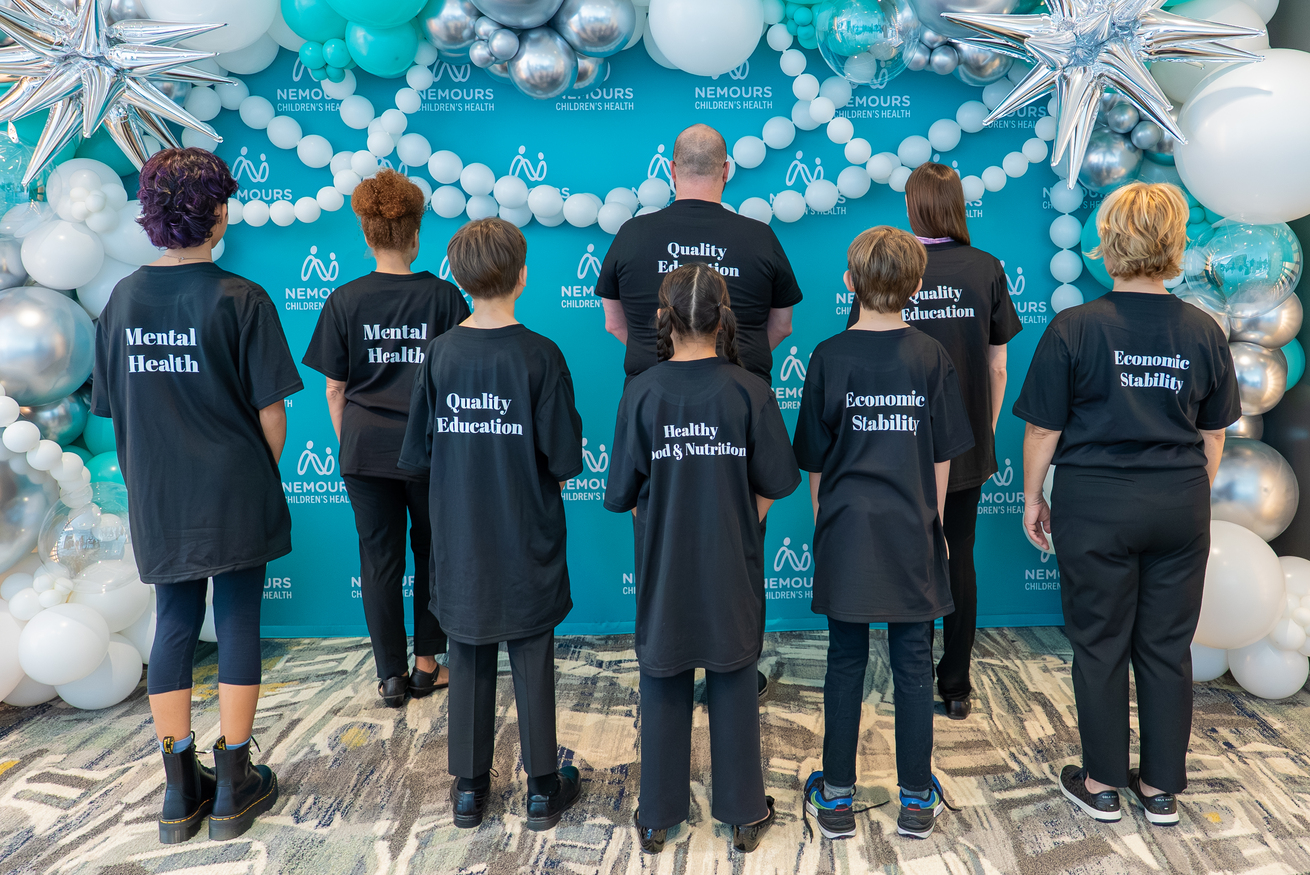
What are some of the biggest non-medical factors that influence a child’s health that families may not always recognize?
In addition to those already mentioned, here are some factors that parents may be surprised to find affect their child:
- Literacy. This plays a critical role in their economic prospects, long-term health outcomes, and overall quality of life.
- Exposure and access to art. In addition to channeling complex emotions and experiences through art, there are physiological changes to the brain when children are exposed to art. It fosters healing and improves their physical health.
- Kindergarten readiness. This has a powerful impact on children’s academic and social outcomes over time.
- Home life. A solid foundation at home allows a child to develop skills like socio-emotional learning and resiliency, helping a child make healthy choices for themselves as they grow.
The initiatives and collaborative partnerships the Ginsburg Institute has already set in motion, each with defined focus areas and meaningful progress underway, will be explored in depth throughout this series.
What sets the Ginsburg Institute’s approach apart from more traditional health care efforts?
The Ginsburg Institute looks at the local landscape, outside of the hospital, for opportunities to collaborate with amazing community organizations and work together to create the healthiest generation of children. Most importantly, it centers on community and the families it serves, in everything it does. Families are regarded as subject matter experts, and their lived experiences are treated as the most important guide for the institute’s work.
Research and research translation are also central to the Ginsburg Institute’s mission. Through these efforts, the institute aims to transform pediatric health care by sharing what is learned with the wider world. The institute is also deeply committed to training the next generation of leaders through its comprehensive Ginsburg Scholars Program, which supports promising researchers by pairing them with pediatric research experts who mentor them through the design and implementation of innovative projects aimed at enhancing population health across diverse communities.
How does impact happen because of the Ginsburg Institute?
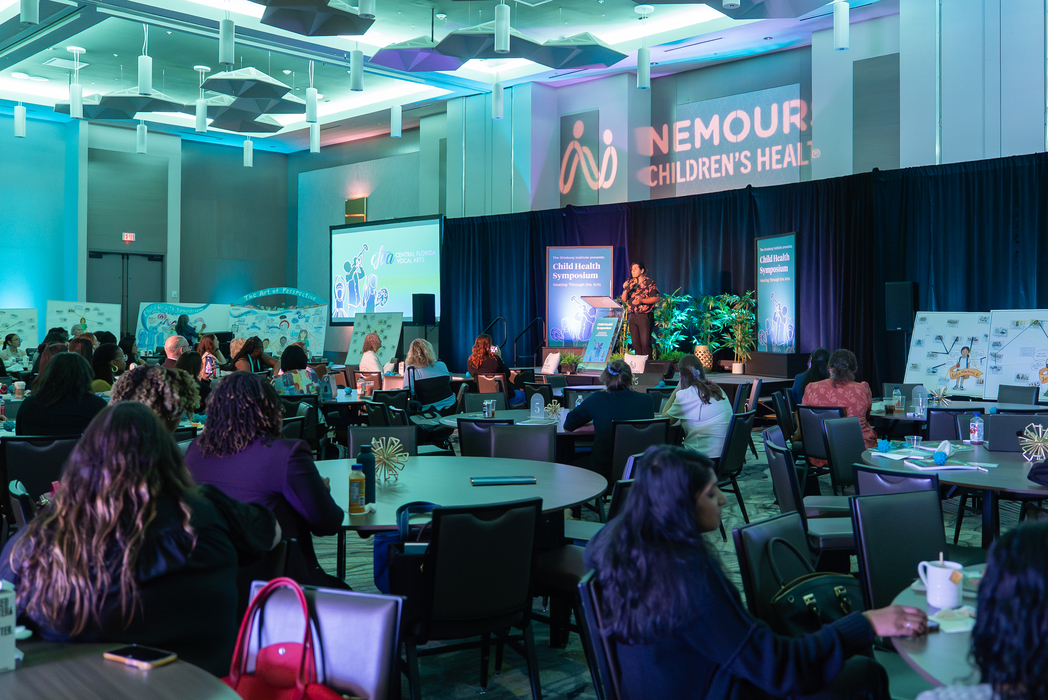
The institute’s conviction is that lasting impact requires collective, community-driven approaches. And while research, academic, community, and collaboration efforts are active all year, the Ginsburg Institute’s annual Child Health Symposium is an opportunity to bring together stakeholders and experts in pediatric health to advance these efforts.
Established in 2023, the Child Health Symposium promotes collaboration and solutions that go beyond medical interventions to help the community better navigate social drivers that impact the lives of children. The symposium has grown in attendance annually since its inaugural event, with the 2025 symposium drawing its largest group of attendees yet.
What is the key to success for efforts like the Ginsburg Institute?
Community partnerships and collaboration are key to the work at the Ginsburg Institute. The institute serves as a convener and an organization focused on community health impact. The institute’s team and its collaborators work together and look well beyond medicine to offer whole child health. Learn more about the Ginsburg Institute and this year’s Child Health Symposium.
The post What Is the Ginsburg Institute and Why It Matters for Families appeared first on Nemours Blog | Expert Guidance on Children's Health and Wellness.