

When expectant parents receive news of a fetal diagnosis or structural difference during pregnancy, the experience can feel overwhelming. The journey that once seemed straightforward suddenly becomes filled with medical appointments, difficult decisions, and sometimes significant uncertainty. The impact of a fetal diagnosis on maternal mental health is profound. What many parents don’t realize is that while their emotional responses are an individual reaction to a challenging new time for their family, these emotional responses can simply be part of the drastic deviation from the expected, or they can be signs and symptoms of perinatal mood and anxiety disorders — which are more prevalent in expectant parents facing care in a fetal center.
In addition to having an informed awareness of risk factors for perinatal mental health disorders, recognizing the unique emotional challenges families face is a centerpiece of a fetal center’s collaborative care. Mental health screening is a stepping stone that helps individualize support services throughout the pregnancy and postpartum, and embedding psychosocial professionals into routine prenatal care strengthens the support system and helps families navigate this challenging experience.
Understanding Your Emotional Reactions
When learning about a fetal diagnosis — whether a structural anomaly, genetic condition, or other difference — your emotional reactions may vary widely and shift dramatically from moment to moment. Some parents describe feeling numb or disconnected, as though they’re watching their own life from a distance. You may experience waves of intense anxiety or constant worry about what the future holds. Feelings of guilt, sadness, anger, and fear often intermingle with feelings of hope, love, and determination in ways that seem overwhelming and confusing.
All of these reactions are valid responses to a genuinely difficult situation. There is no “right way” to feel. Your response is your own and is part of your processing and parenthood.
The concept of grief in this context extends beyond traditional definitions. Grief is how we respond to any loss, even the “loss of normal.” For parents facing a fetal diagnosis, the loss of a “normal” pregnancy experience can be jarring. These losses may include routine pregnancy milestones, certain expectations for your child’s future, and even the ways you envisioned your family — all of which are significant and valid.
The Connection Between Fetal Diagnoses and Perinatal Mental Health
It’s understandable that fetal diagnoses are recognized as risk factors for perinatal mood and anxiety disorders. What’s important to know, however, is that — even in the absence of a high risk pregnancy — perinatal mental health (PMH) disorders are the most common complication of pregnancy for childbearing women in the United States, according to Postpartum Support International (PSI).
The term “perinatal” includes pregnancy and up to one year postpartum. Perinatal mental health disorders include depression, which is most frequently screened for and discussed in pregnancy. However, it’s important to realize the spectrum of disorders also includes anxiety, obsessive-compulsive disorder, post-traumatic stress disorder, bipolar disorder, and psychosis (rare but serious). A perinatal mental health disorder can present at any time and therefore requires ongoing screening and awareness of the expectant person and their healthcare team. If left untreated, PMH disorders can contribute to serious complications, including increased risk of maternal mortality.
According to PSI, either depression or anxiety affects 1 in 5 women and 1 in 10 men at some point during the perinatal period. When a fetal diagnosis is added, the risk increases. It’s important to normalize discussions with your care team about changes in your emotional or mental health as part of your routine, appropriate perinatal care.
How Perinatal Mental Health Screening Becomes Part of Your Care
Perinatal mental health screening is part of routine obstetric care and multiple questionnaires have been validated for use in pregnancy and postpartum. Screening can be performed multiple times in the perinatal period in order to assess changes in symptoms that can inform your team and help guide various types of support being offered to you and your family over time. Within fetal centers, more detailed mental health screening is conducted to identify concerns related to a fetal diagnosis, and to discuss options for additional support tailored to your unique situation.
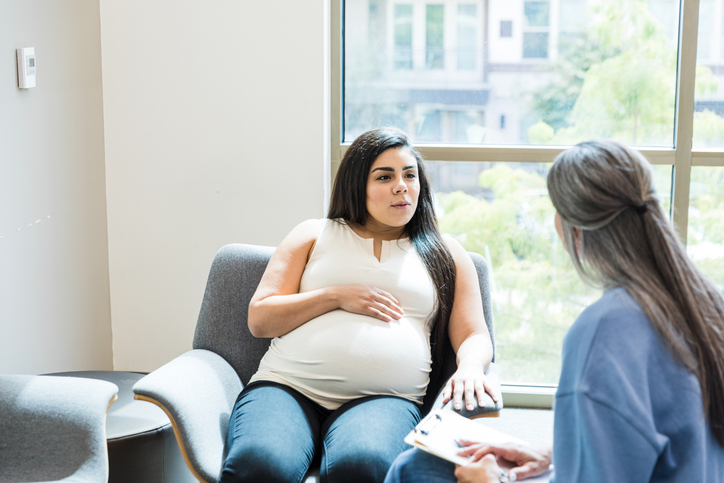
Embedded psychosocial teams are made up of perinatal support professionals who provide added expertise and guidance for patients and families. Mental health screening, emotional support, and ever-present psychosocial care is the expectation within a fetal center given the increased risk for perinatal mood disorders. But it’s not a one-size-fits-all approach. Nemours offers multiple qualified perinatal-trained mental health specialists in the fetal center, but if you need to find a healthcare provider who is perinatal mental health certified (PMH-C) closer to you, PSI offers an online provider directory.
Finding Your New “Normal”
Professional Mental Health Support
Individual therapy or counseling provides a safe space to process complex emotions, develop coping strategies, and address symptoms. Therapists who specialize in perinatal mental health understand the unique challenges and can offer evidence-based treatments that are safe during pregnancy. This might include cognitive-behavioral therapy, which helps identify and change unhelpful thought patterns, or trauma-focused approaches if you’re experiencing symptoms of post-traumatic stress.
Mindfulness and Relaxation Techniques
Practical tools for managing acute anxiety and stress can provide moments of calm and help regulate your body’s stress response. These might include guided imagery or visualization, deep breathing exercises, or meditation apps designed for pregnancy.
Social Support
Feeling genuinely understood, accepted, and cared for by family and friends is a crucial protective factor. Be clear about the support you need, whether that’s someone to listen without offering advice, practical help with daily tasks, or simply companionship during difficult moments.
Peer Support Groups
Connecting with other families who have faced similar situations offers something unique: talking with someone who truly understands. Many conditions have specific parent support groups, either locally or online, and fetal care centers often facilitate general support groups for families dealing with various prenatal diagnoses.
Self-Care Practices
Though often dismissed in the face of serious medical concerns, self-care is vital for sustaining the energy and resilience needed to navigate challenging times. This includes maintaining sleep hygiene, eating nourishing foods, taking breaks from medical information, and spending time in nature.

Memory-Making
Creating mementos during pregnancy, whether through photographs, handprints, journal entries, or other keepsakes, allows you to honor your experience and your child regardless of the outcome. These memories acknowledge that this journey is significant and worth remembering.
Creative Therapies
Creative therapies, including music and art therapy, offer alternative ways to process emotions that may be difficult to put into words. These can be helpful for individuals who find talk therapy challenging or who want to complement counseling with other forms of expression and healing.
Creating a Framework When There’s a Fetal Diagnosis
Working with your care team to establish a framework for your pregnancy can be very helpful when trying to regain your footing. Rather than focusing on the unknowable future, a framework identifies tangible milestones and achievable goals along the way — specific prenatal appointments, diagnostic tests, consultations with subspecialists, or decision points that may need to be addressed.
A collaborative framework developed with your care team can break treatment into manageable segments with short-term goals. Each milestone becomes something to work toward, providing structure and purpose amid ambiguity. It’s important to keep this framework flexible and maintain regular check-ins with your team. Mental health symptoms and emotional reactions can evolve as you and your family navigate different stages of the pregnancy, and your care team needs to adapt alongside you to address these changing needs.
How Family and Friends Can Help
Support along your journey has proven benefit. When families are dealing with a medical situation, they often receive numerous calls, texts, and messages from well-meaning friends and family. Some families find it helpful to designate a trusted support person for communication. Having one trusted person manage texts, social media updates, and coordinate the broader support network allows parents to focus their energy where it’s most needed.

Specific offers of help have been reported to be more useful than vague requests to “let me know if you need anything.” Families in crisis rarely have the mental energy to identify needs and reach out. Instead, try:
- Childcare for siblings: Offer to take siblings for specific periods to give a break or when parents have medical appointments.
- Household tasks: “I’m coming over Tuesday to do laundry and clean your kitchen” is actionable and specific.
- Meal support: Organize a meal train, get gift cards for food delivery near the hospital, or drop off home-cooked meals that freeze well.
- Errands: Grocery shopping or prescription pickups.
Moving Forward
Navigating pregnancy after a fetal diagnosis is challenging. Yet within this difficulty, many families discover sources of strength, connection, and meaning. What matters is knowing potential available resources and finding what works for you and your family — whether that’s gathering extensive medical information, focusing on the present moment, drawing strength from faith, or grounding yourself in the support of your fetal medicine center care team. If you have concerns, don’t wait to ask for help. Learn more about perinatal mental health (PMH) disorders, including prevalence, symptoms, risk factors, and potential treatment options.
Finding stability amid uncertainty isn’t about eliminating all ambiguity or making things perfect. It’s about finding a new realistic baseline. The new baseline can be established by building a framework that can bring a sense of stability through the challenges, accessing resources that support your well-being and self-care, developing additional coping strategies, and taking things one day, one appointment, one visit at a time.
The post Maternal Mental Health After a Fetal Diagnosis: Finding Stability Amid Uncertainty appeared first on Nemours Blog | Expert Guidance on Children's Health and Wellness.